 English
 Oʼzbek
 Русский
Between 2000 and 2018, the number of people with electricity increased from 78 to 90 percent, and the numbers without electricity dipped to 789 million.
Yet as the population continues to grow, so will the demand for cheap energy, and an economy reliant on fossil fuels is creating drastic changes to our climate.
Investing in solar, wind and thermal power, improving energy productivity, and ensuring energy for all is vital if we are to achieve SDG 7 by 2030.
Expanding infrastructure and upgrading technology to provide clean and more efficient energy in all countries will encourage growth and help the environment.
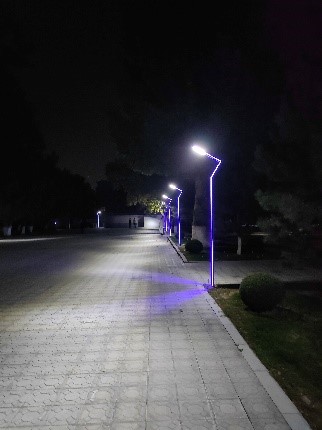
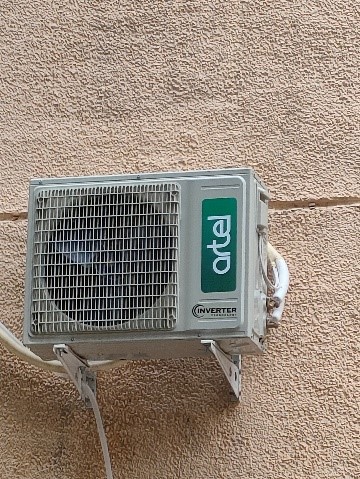
Samarkand Institute of Economics and Service considering using energy responsibly and making campus more sustainable. For all new construction and renovation projects at the institute selected energy-efficient equipment and installed LED lighting, which helps reduce electricity consumption across lecture rooms, halls, and open spaces. ALL buildings are equipped with modern heating and cooling systems that automatically adjust to maintain comfort while avoiding unnecessary energy use. Students and staff are encouraged to follow simple energy-saving habits, such as turning off lights and equipment when there is no need to use. These everyday actions help create a modern, eco-friendly campus and support the global Sustainable Development Goals.
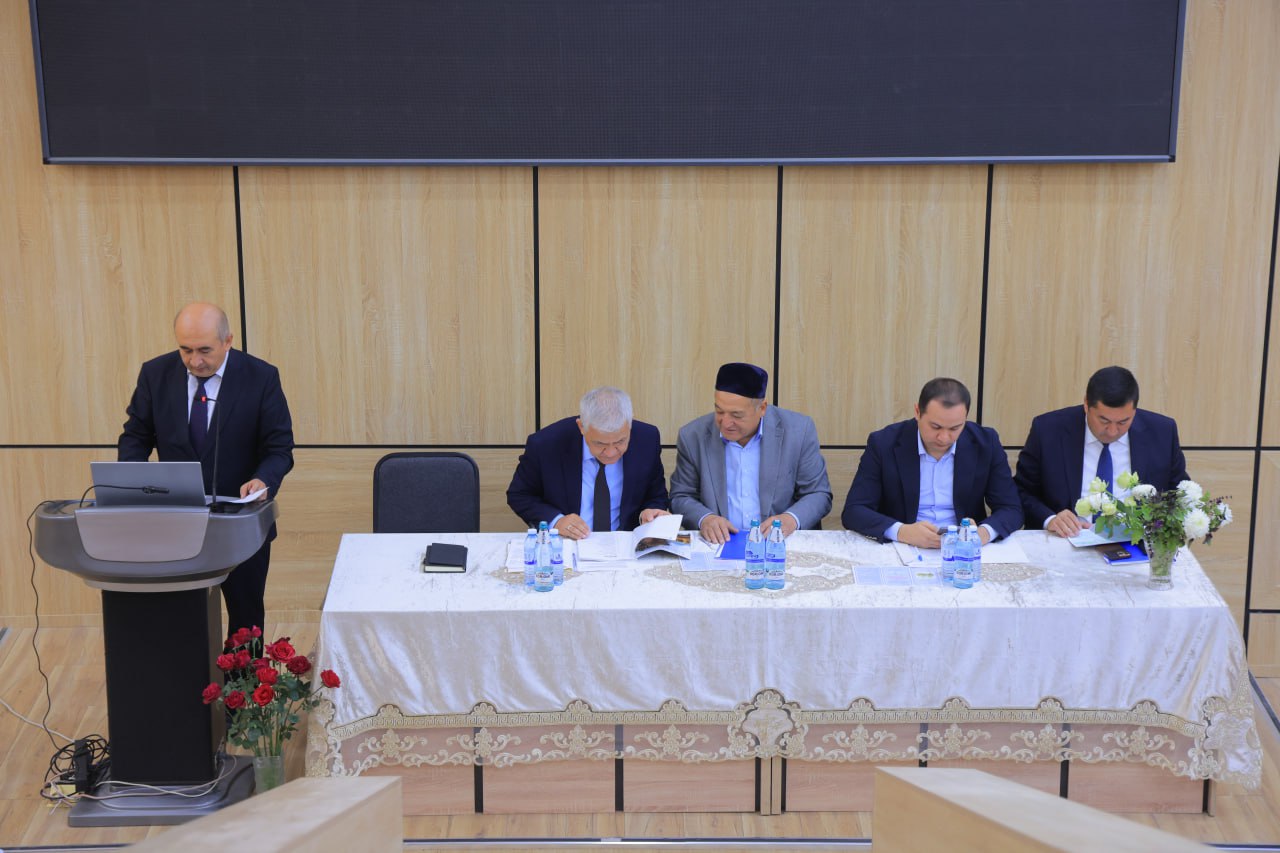
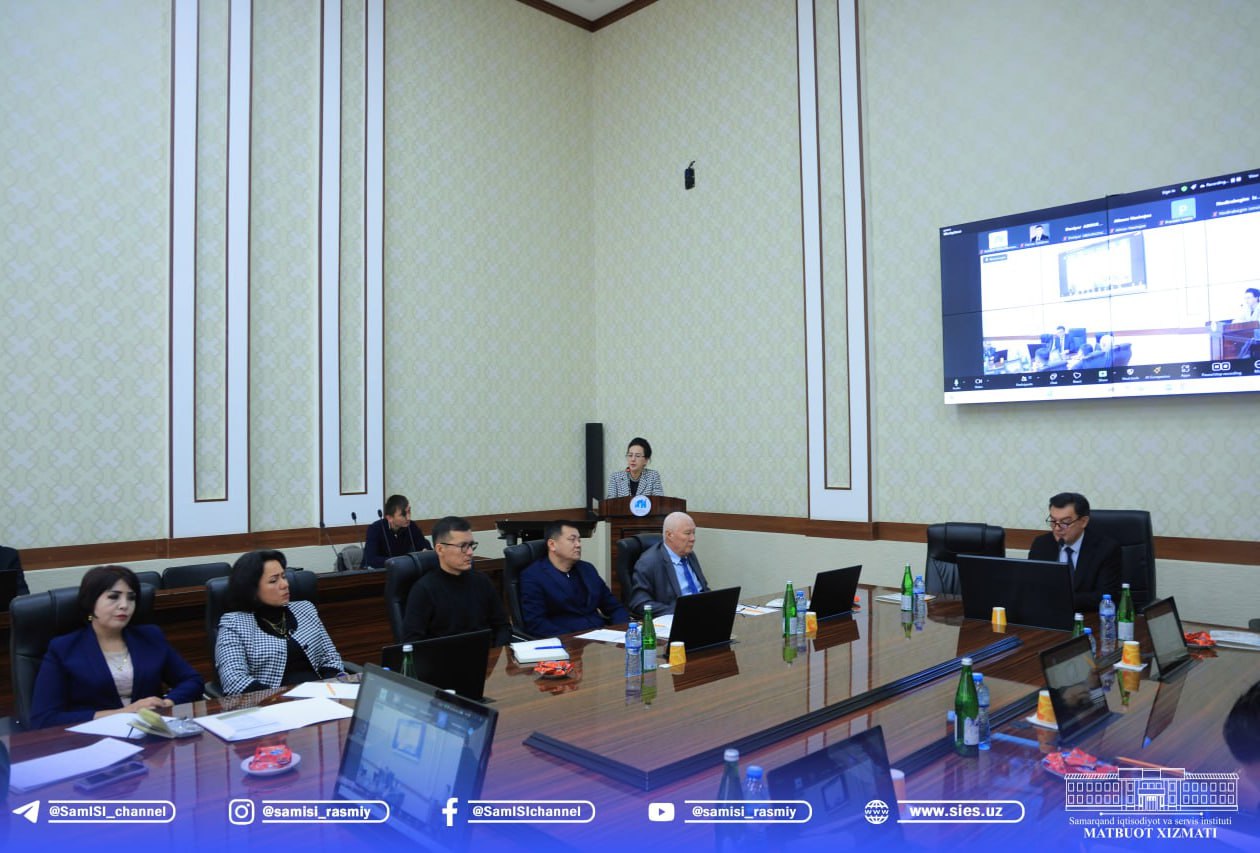
Moreover, SIES regularly organizes seminars, scientific and international conferences where scholars from all over the world gather and share their ideas, research, and innovations related to clean energy and sustainable energy use. These events adding contribution and scientific value for developing local industries in Samarkand region.
The Institute has also implemented an internal energy-saving policy. Each month, called “Energy Awareness Day,” during which selected buildings turn off electricity during a day to bring the campus community together and to feel and live the importance of responsible energy consumption. This initiative encourages students and staff to adopt more mindful and sustainable energy-use habits that will make save it for the further generation.
Samarkand Institute of Economics and Service intends to realize further energy savings by paying close attention to energy management. Particular attention is paid to energy saving through the use of the latest technologies and the gradual replacement of obsolete equipment with new models.
Currently, 72% of devices powered by electricity are energy efficient and have the appropriate certificates .
Appliance | Total Number | Total number energy Efficient appliances | Percentage
LED Lamp | 3905 | 3405 | 87%
AC | 80 | 45 | 56%
| | Average Percentage | 72%
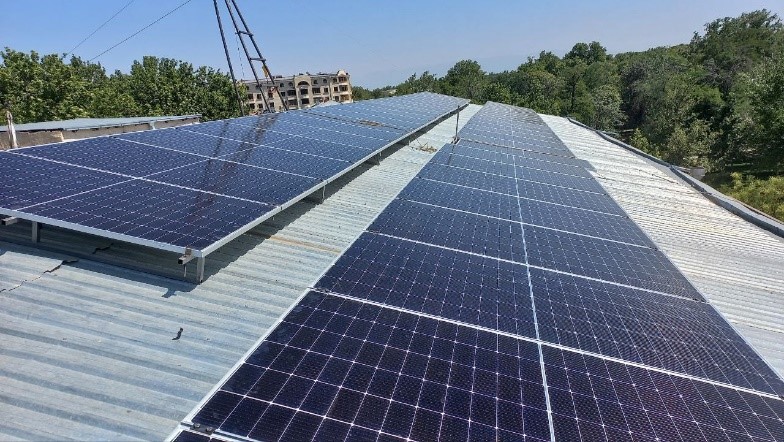
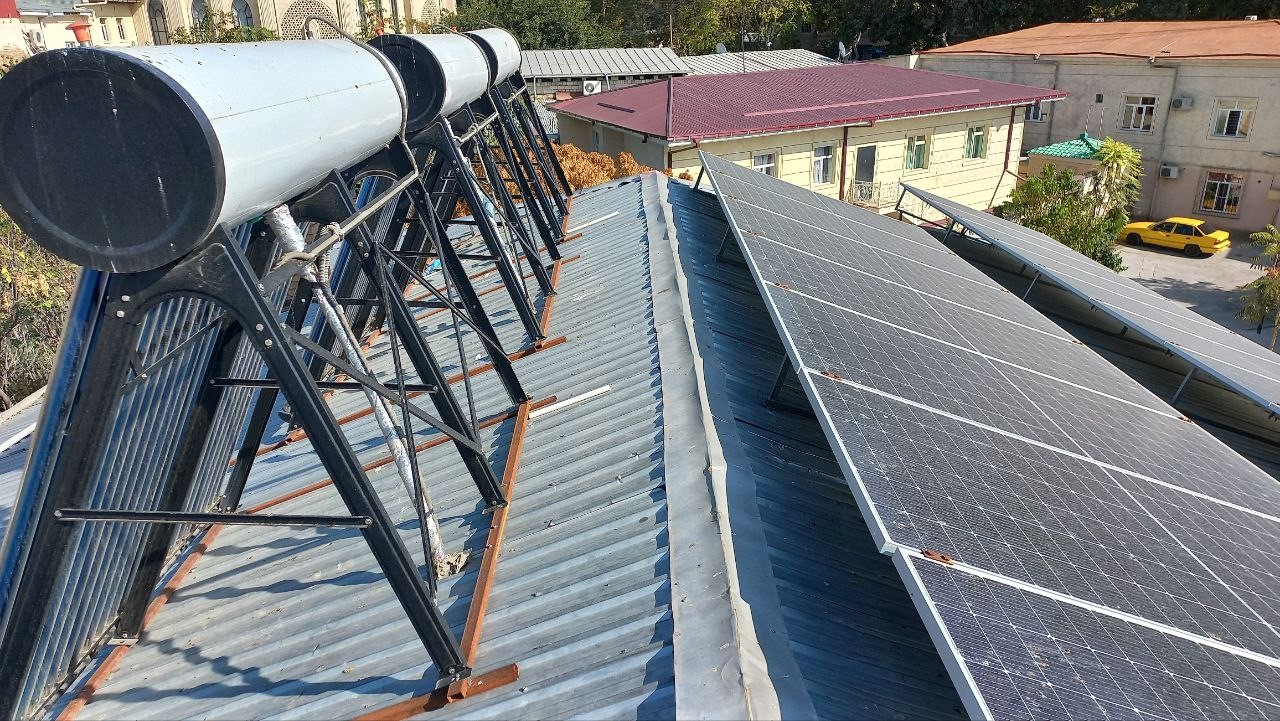
On roofs of buildings of economics, banking and finance and service faculties, library and other teaching and administrative buildings and dormitories, solar PV power station of total 125600 kWt is installed.
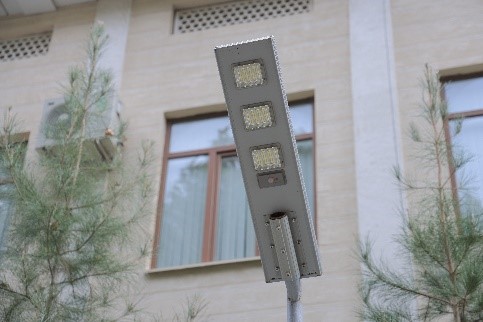
The Institute consumed a total of 469,500 kWh of energy in 2023. Of this, 264,500 kWh of energy was generated by solar panels, which accounted for 56.3% of the total consumption.
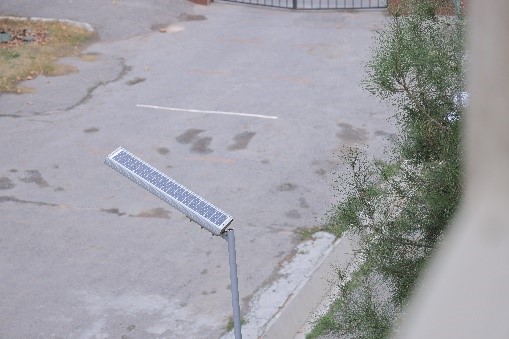
The institute has installed the following "green building" elements: 5 solar water heating systems with a total volume of 1000 liters, natural ventilation and lighting systems in the buildings of the economics, service and evening education departments.